







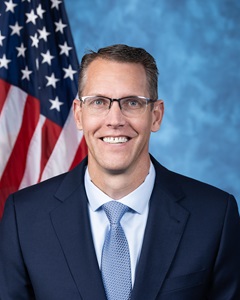
As the business of college sports continues to grow, Congressman Randy Feenstra says many student-athletes are being thrust into complex financial situations they may not be prepared to handle.
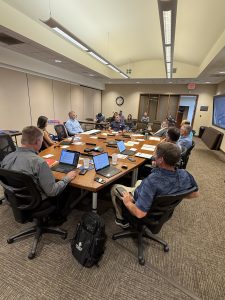
During a recent House Ways and Means Committee hearing on Tuesday (June 30) titled The Growing Business of Sports: Reviewing Federal Tax Policy in the Multibillion-Dollar Industry, the Hull Republican questioned experts about the financial challenges facing athletes earning money through Name, Image and Likeness agreements.
Feenstra noted that many young athletes suddenly become independent contractors as soon as they begin earning NIL income.
“This eighteen-year-old kid who has played sports all his life probably doesn’t know a lot about business and now is in line to be their own independent contractor.”
The congressman said many athletes don’t understand that NIL earnings can come from a variety of sources, including sponsorships, social media, autograph sessions, appearances, and even non-cash compensation.
Feenstra said many athletes also don’t realize they may be eligible for business deductions.
“They could deduct marketing materials,” Feenstra continued. “They could deduct personal websites, agents, legal fees, equipments, and goes on and on. No one’s telling these kids this stuff.”
Former IRS Revenue Officer and NIL tax consultant Thad Madden agreed, saying the issue has become one of the biggest challenges in college athletics.
“The collectives that I’ve had experiences with don’t seem to be that interested in that financial literacy portion. It really goes to the universities.”
Madden shared examples of athletes who faced large tax bills because they didn’t realize items such as vehicles, housing, and utilities provided through NIL agreements could count as taxable income. He also said some athletes struggle to track multiple tax forms after transferring schools or changing NIL arrangements.
Feenstra said the issue extends well beyond major college programs.
“My kids played in N-A-I-A, right? That’s a whole different game. And yet they still apply.”
Former NFL linebacker and ESPN analyst Sam Acho suggested one potential solution would be requiring financial advisors working with athletes to have a fiduciary responsibility to act in the athletes’ best interests.
“Many of these athletes… have financial advisors, and they think they’re doing the right things, but those financial advisors are not giving them the best advice.”
No legislation was advanced during the hearing, but lawmakers and witnesses agreed that financial literacy and education for student-athletes will likely remain a growing issue as college sports continue to evolve.