






A sweeping property tax overhaul signed into law by Governor Kim Reynolds could significantly change how Iowa cities, counties, and school districts fund local services, infrastructure, and future development.
New State Law Reshapes Local Government Funding
Senate File 2472 includes a wide range of property tax and local government finance changes, including a two-percent cap on many city revenue increases, revisions to homestead tax credits, adjustments to property valuation calculations, changes to bonding and Tax Increment Financing (TIF), and new limits tied to local government budgeting and reserve funds. State leaders backing the legislation say the measure is designed to provide more predictability for taxpayers while helping reduce sharp spikes in property valuations.
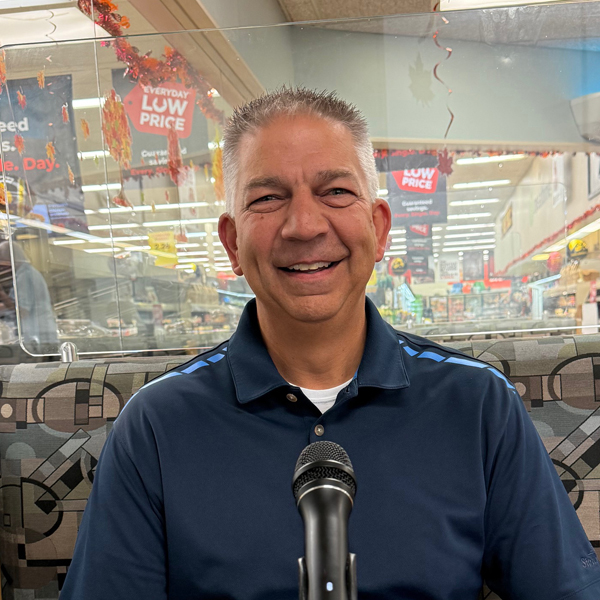
While state leaders say the legislation could provide property tax relief, Sioux Center City Manager Scott Wynja says local governments are still trying to understand the long-term financial impact.
As part of a written response discussing the legislation, Wynja says:
“Although the State is sharing potential on cost savings to property taxpayers, they really have no idea on the impact to local governments such as cities, counties and school districts.”
Wynja says one of the biggest concerns centers around the proposed two-percent revenue cap at a time when many city expenses continue rising well beyond that level.
Wynja says costs tied to infrastructure, supplies, and operations have all increased significantly in recent years, creating concern about how communities will continue maintaining services under stricter revenue limitations.
Growth Helps Sioux Center — But Smaller Communities Could Struggle
Wynja says Sioux Center was encouraged to see new construction excluded from the two-percent cap, something he says benefits growing communities like Sioux Center that continue seeing residential and commercial expansion.
However, he says communities without sustained growth may face much greater challenges.
Wynja does say that Sioux Center’s continued residential and commercial growth helps soften some of the potential impact because new construction is excluded from the cap.
Concerns about Services and Equipment
Wynja says city leaders are still determining exactly where impacts could occur, but notes that general government services cover a broad range of areas, including police, fire, ambulance, parks and recreation, and libraries.
He says one possibility could involve delaying capital purchases, maintenance projects, infrastructure improvements, and extending replacement schedules for equipment such as police vehicles or fire trucks.
Wynja says cities may also eventually need to evaluate whether certain services or programs can continue operating at current levels if revenues fail to keep pace with expenses.
Housing and Economic Development Questions
The legislation also changes rules involving bonding authority and Tax Increment Financing (TIF) tools that many Iowa communities use to support economic development and infrastructure projects.
Wynja says Sioux Center has used local revenues to partner with private developers by installing streets, utilities, water, and sewer infrastructure in new development areas to help spur housing growth.
He says limitations on future revenues could make it more difficult for cities to continue opening up land for new housing and development projects.
Areas of Agreement
While Wynja raised concerns about the overall impact on local governments, he says there are portions of the legislation that city leaders support.
“As a taxpayer, I do appreciate the attempt to control the large spikes in valuations every other year and improving the taxpayer notice form.”
Wynja says Sioux Center also welcomed legislative changes to Iowa’s taxpayer notice forms, which many local officials previously criticized as confusing for residents.
He says cities are still evaluating how the law could ultimately affect local services, infrastructure, and local decision-making authority.
Looking Ahead
Wynja says Sioux Center officials will continue reviewing the financial implications of the legislation while working to maintain the amenities and services residents expect.
He says local leaders will continue doing what they can to provide those services moving forward, even as cities across Iowa work to understand the long-term impact of the new law.
Portions of Wynja’s comments were provided in writing, while additional comments were provided during a phone interview.