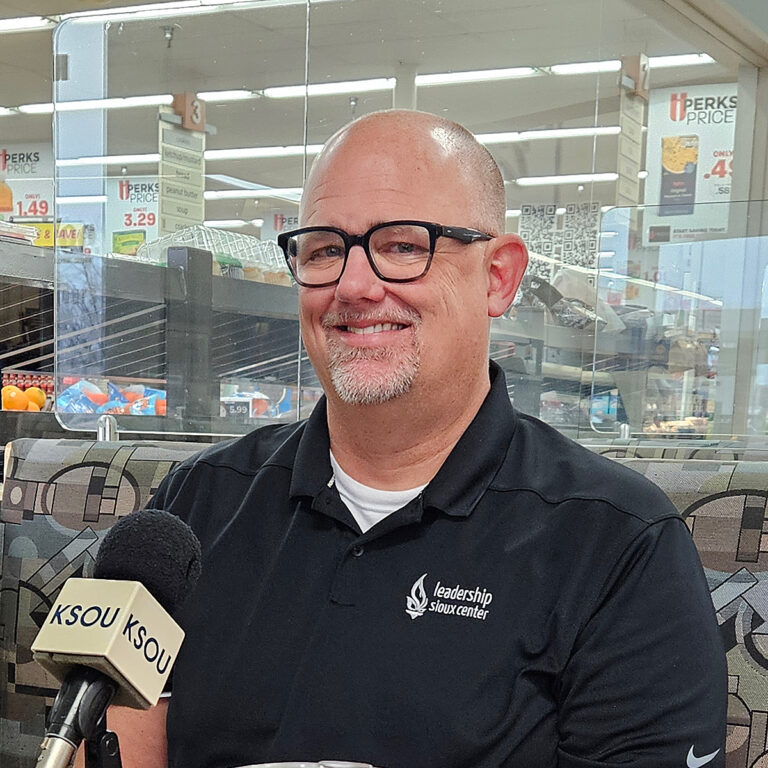








Republican State Senator Jeff Taylor of Sioux Center says the recently completed 2026 legislative session brought major debates on property taxes, human trafficking prevention, artificial intelligence, and rural property rights — while also marking what was Governor Kim Reynolds’s final session in office.
Taylor, who represents District 2 covering Sioux, Lyon, and part of Plymouth counties, said one of the biggest accomplishments lawmakers reached this year was a compromise on property tax reform after lengthy negotiations between the Iowa House, Senate, and the governor’s office.
Property Tax Bill
The property tax legislation places a two-percent cap on local government revenue growth while also carving out exemptions for items such as insurance costs, pensions, and new construction. Supporters say the bill provides long-term tax relief and predictability for taxpayers, while critics have raised concerns about the impact on local governments and smaller communities.
Speaking on Sioux County Radio’s The Daily Grind recently, Taylor says he believes what they settled on is fair.
Taylor said he was pleased lawmakers were able to include more flexibility for local governments than what had originally been proposed in earlier House versions of the bill.
He added that he believed earlier versions of the proposal could have been especially difficult for smaller rural communities that do not have the same growth opportunities as larger cities.
Human Trafficking Legislation
Taylor also pointed to legislation aimed at strengthening human trafficking prevention efforts and victim protections as another significant area of focus during the session.
The legislation expanded protections for trafficking victims and addressed several areas, including screening children for trafficking concerns, extending civil statutes of limitations, improving coordination between agencies, increasing support services, and strengthening investigation and prosecution efforts. Another bill also added human trafficking prevention instruction requirements for certain commercial driver’s license applicants.
Taylor said he hopes the legislation both strengthens penalties against traffickers and provides meaningful support for victims.
Artificial Intelligence, Data Centers Raise Concerns
Another emerging topic during the session involved artificial intelligence and the growth of data centers in Iowa.
One bill approved this session established guidelines and requirements for conversational artificial intelligence services while also creating civil penalties tied to misuse. Lawmakers say the legislation is intended to begin setting standards as AI technology becomes more common in daily life and business operations.
Taylor said lawmakers are only beginning to address the issue and predicted additional debate in future sessions regarding regulation and the impact of large-scale data centers.
Taylor expressed concerns about the amount of energy, water, and farmland required for large data center developments.
Pipeline Debate Remains Unresolved
From a northwest Iowa perspective, Taylor said the ongoing debate surrounding carbon pipelines and eminent domain remained one of the most important unresolved issues for many rural residents.
Taylor said the Iowa House passed legislation that would have prohibited the use of eminent domain for carbon dioxide pipeline projects, but the proposal ultimately stalled in the Senate. The issue has remained highly controversial across northwest Iowa, where many landowners and farmers oppose the use of eminent domain for private pipeline projects.
He added that he expects the debate to continue both in courtrooms and at the ballot box moving forward.
Reflecting on Reynolds’ Time in Office
As Reynolds prepares to leave office, Taylor said he believes the governor will largely be remembered positively by Republicans for her role in advancing conservative policies in Iowa.
Taylor highlighted Reynolds’ support for property tax reform, Second Amendment protections, religious freedom legislation, the state’s heartbeat bill, and legislation involving girls’ sports participation.
He specifically noted Reynolds’ support for the Religious Freedom Restoration Act and medical conscience legislation, which allows health care workers to decline participation in procedures that conflict with their religious, ethical, or moral beliefs without facing punishment.
Taylor did note there were areas where he disagreed with Reynolds, including her stance on the proposed carbon pipeline and certain tort reform proposals.
Taylor also reflected on the Republican caucus itself, saying lawmakers were able to work through lingering disagreements from the 2025 session and accomplish several priorities this year.