






Northwestern College’s young engineering program is entering a pivotal stage, with upper-level courses, senior design projects, and accreditation preparations moving closer to reality.
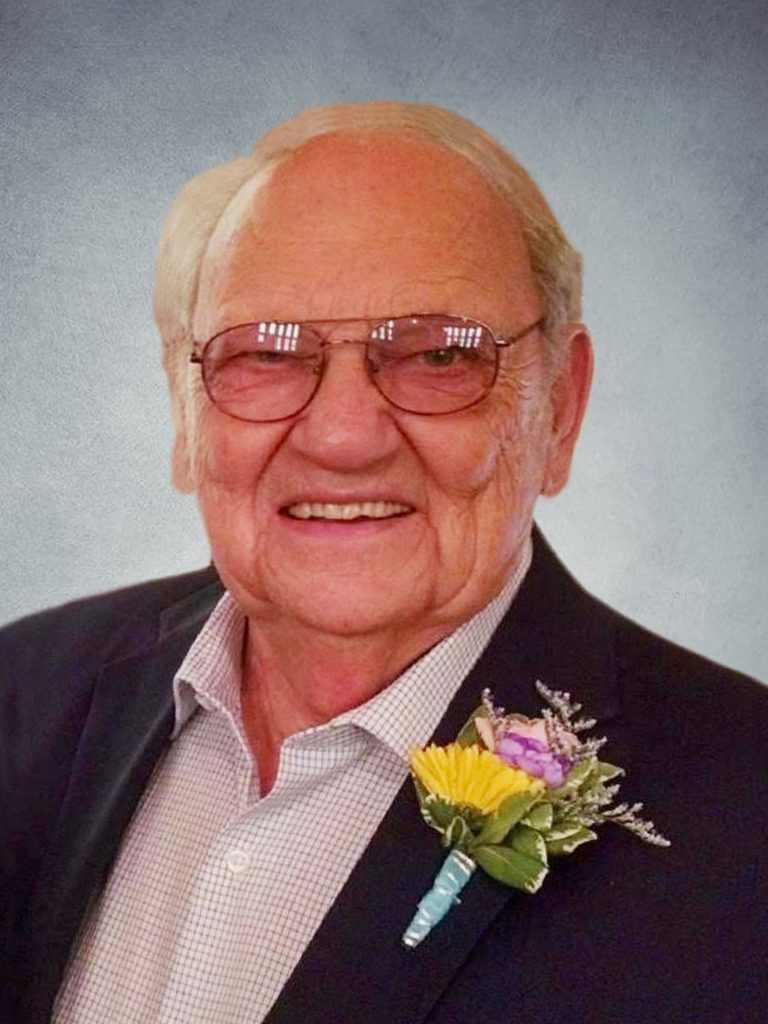
Helping guide that work will be Dr. David Winyard, Northwestern’s new engineering program director. Winyard brings 37 years of professional engineering experience and has taught or held leadership roles at three Christian colleges.
Northwestern contacted Winyard in March as the college searched for someone familiar with building an engineering program and navigating the accreditation process.
“Given my experiences at different Christian schools and going through the accreditation process and given the need that Northwestern has, it just seemed like the right thing to do,” Winyard said.
Before entering higher education, Winyard contributed to the design of systems for Seawolf- and Virginia-class submarines while working with the Naval Surface Warfare Center. He later led cost-reduction projects and managed the development of a deployable distribution center supporting military, humanitarian and disaster-relief missions.
His career also includes five patents and national recognition from the Department of Defense and Defense Logistics Agency.
Building Around Northwest Iowa’s Needs
Northwestern launched its Bachelor of Science in engineering program in the fall of 2024 with 15 students. Enrollment grew to 37 during the program’s second year.
Students can pursue concentrations in civil, computer, electrical or mechanical engineering. The curriculum includes hands-on learning through areas such as 3D printing, machining, electric circuits, programming and geospatial analysis.
“There’s clearly a demand there,” Winyard said. “I was pleasantly surprised to learn how many manufacturing companies are there in northwest Iowa.”
Winyard said the program’s long-term success will depend partly on how effectively it prepares graduates for the needs of regional employers. He plans to visit Northwest Iowa companies and ask specifically what skills and knowledge they want future engineers to possess.
That approach comes from his previous experience helping launch an engineering program at Mount Vernon Nazarene University in Ohio. From 2014 through 2018, Winyard taught classes, advised students, hired faculty and helped develop the curriculum, laboratories and shops needed for the program.
One of the lessons he carried from that experience was the importance of having each part of a developing program ready before students reach it.
“One of the big items that lies ahead for me here in year three of the Northwestern program is to make sure we have all of the manufacturing equipment and personnel for seniors to do design projects,” Winyard said.
Senior design projects are a standard part of engineering education and typically require students to design and build a working prototype. Northwestern’s first engineering students will become seniors during the 2027-28 academic year.
Preparing for Accreditation
The first engineering cohort is scheduled to graduate in 2028. After Northwestern awards those initial engineering degrees, the college can formally begin the ABET accreditation process.
Preparations will begin well before then. Winyard said Northwestern must document how the program meets ABET criteria, evaluate student learning, and demonstrate how it responds when results reveal areas needing improvement.
“It’s much more about continuous improvement, really, than it is about meeting minimum standards,” Winyard said.
Winyard previously helped prepare Mount Vernon Nazarene’s program for eventual ABET accreditation. At Northwestern, his immediate work will include rolling out the third and fourth years of the curriculum while ensuring the necessary faculty, facilities, and assessment procedures are in place.
Engineering with a Broader Purpose
Winyard also wants Northwestern students to understand engineering as more than technical knowledge or the development of new technology.
He earned a doctorate in science and technology studies after concluding his government engineering career. That work strengthened his interest in how engineering affects society and how Christian faith should influence decisions involving safety, ethics and the use of technology.
“Having a vision broader than simply, ‘I’m going to make money from my employer,’ is really key to engineers living a fruitful life as an engineer,” Winyard said.
Winyard said engineers should consider whether their work serves people well, not merely whether a design performs as intended. He views engineering as an opportunity to use knowledge of the natural world to serve others, develop communities and care responsibly for available resources.
As Northwestern’s program moves into its third year, Winyard said the coming months will carry a demanding list of priorities.
“To me, it’s a big opportunity and I’m determined to do my best,” Winyard said. “Lord, help me.”