







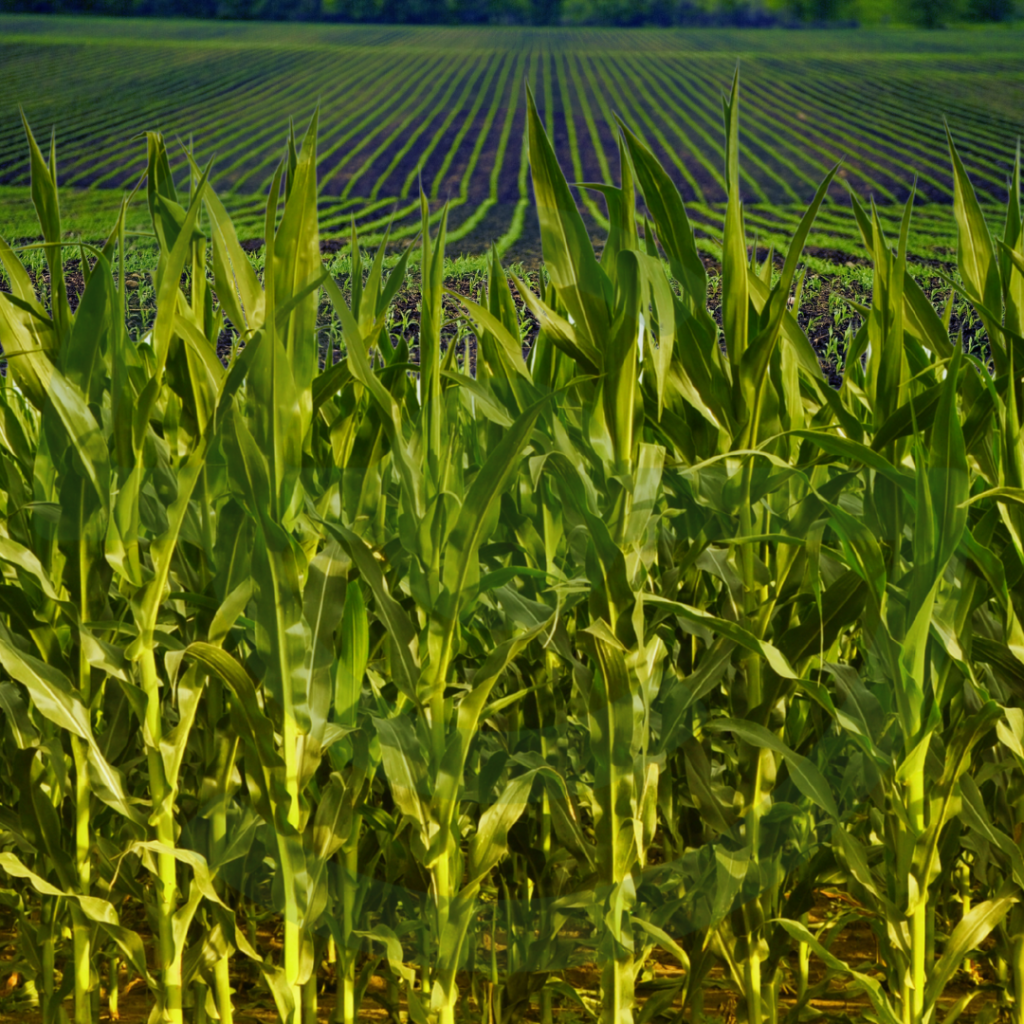
As corn silage season approaches, a Northwest Iowa dairy specialist is encouraging producers to focus on four key factors that can influence feed quality for the entire year.
Northwest Iowa Extension dairy specialist Fred Hall says moisture, cut length, packing density and pile safety are among the most important considerations during the fast-paced harvest season. Careful management can help silage ferment properly, store well and provide consistent feed while also protecting workers.
Moisture, Cut Length and Packing
Hall says hitting the proper moisture target is the single most important harvest decision. Silage should enter storage at 35 to 38 percent dry matter—or 62 to 65 percent moisture—to support rapid and stable fermentation.
Silage that is too dry can trap oxygen, leading to heating, mold, and poor fermentation. Silage that is too wet may pack easily but increases the risk of nutrient-rich liquid draining from the pile and additional spoilage.
Because modern corn hybrids can vary considerably, Hall says producers should not rely solely on the milk line to determine harvest readiness. Regular moisture testing with a Koster tester, microwave method or analysis from a feed store provides a more accurate measurement.
Chop length also affects both packing and a cow’s digestive health. The recommended theoretical length of cut is three-quarters of an inch for processed corn silage and three-eighths to one-half inch for unprocessed silage.
Silage chopped too coarsely can be difficult to pack, increasing the potential for spoilage and poor fermentation. Hall recommends using sharp knives, properly adjusting kernel processors and regularly checking kernel breakage. A 32-ounce sample should contain no more than two or three whole or half kernels.
Packing the silage tightly helps reduce oxygen infiltration, speed fermentation and limit dry-matter losses. Hall recommends a minimum packing density of 15 pounds of dry matter per cubic foot, with silage spread in six-inch layers for optimal compaction.
Producers can use the “Rule of 800” to determine the necessary packing weight by multiplying the number of tons delivered each hour by 800. Tractor weight should match the rate at which silage is arriving. If the pile cannot be properly packed before additional loads arrive, Hall says producers may need to slow the harvest.
Safety Around Silage Piles and Bunkers
Hall says worker safety must remain the top priority throughout harvest and feed-out. Tall piles can increase the risks of tractor rollovers, face collapses and limited visibility.
Recommended precautions include maintaining slopes with a three-to-one ratio and keeping workers at least three times the pile’s height away from its face. Tractors should be equipped with rollover protective structures and seatbelts, and workers should never undercut the face of the pile during feed-out.
Clear traffic patterns, regular communication and high-visibility clothing are also important during long harvest days.
“Your life is more valuable than any load,” Hall said.
Hall says high-quality silage results from consistent moisture testing, proper chop length, aggressive packing and a strong commitment to safety. Following those practices can help dairies preserve nutrients, limit feed losses and protect both livestock and workers throughout the year.