





At a time when many Midwest states are concerned about losing college graduates to jobs elsewhere, Dordt University says it is seeing the opposite effect in Iowa: more Dordt graduates are choosing to begin their careers in Iowa than the number of Iowa students the university initially enrolls.
By enrolling nearly two-thirds of its student body from outside Iowa and retaining a substantial share of those graduates in-state after they finish school, Dordt says it delivers a net gain of college-educated talent to Iowa’s workforce—helping counter concerns about “brain drain” while strengthening the state’s economy.
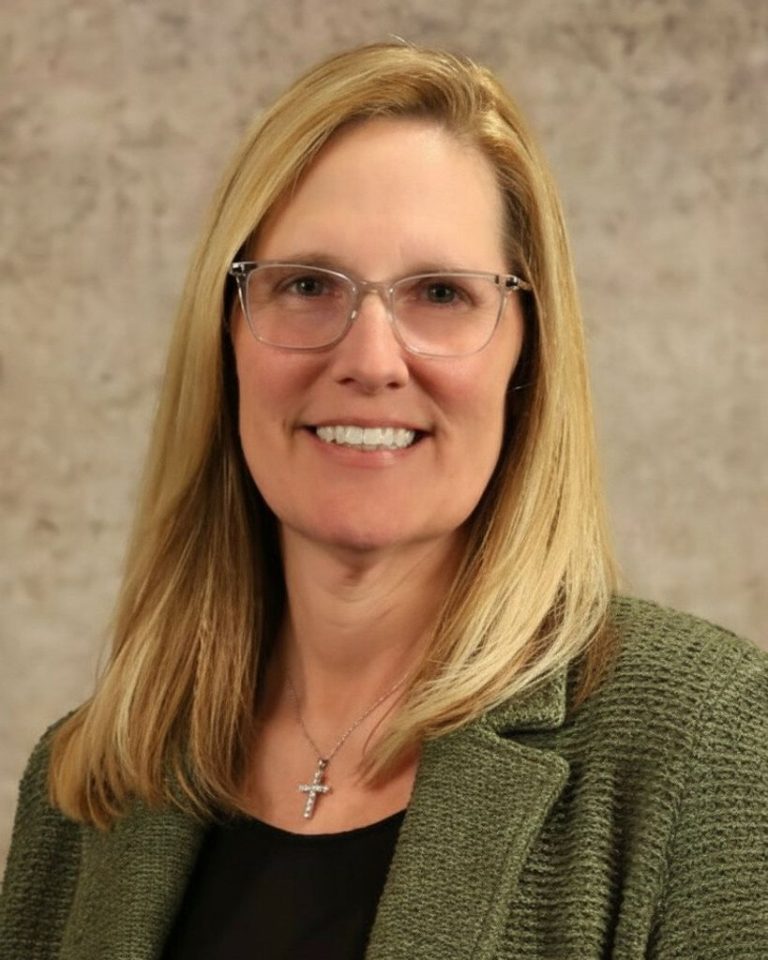
“This isn’t accidental,” said Amy Westra, Dordt’s director of career development. “When a university is intentional about empowering their alumni network and partnering with employers and communities, graduates don’t just find jobs—they find places where their skills, values, and sense of purpose can take root.”
Dordt tracks graduate outcomes through its annual First Destination Report, and the university says more than 90% of its most recent graduates responded to the career outcomes survey—providing a high level of confidence in post-graduation employment data.
According to the latest report, Dordt says 45% of its graduates began their careers in Iowa. That includes more than two-thirds of Iowa-resident students who stayed in-state after graduation, along with nearly one-third of out-of-state graduates who chose to remain in Iowa.
Dordt also says its in-state retention rate for Iowa students exceeds that of Iowa’s public universities, positioning the institution as a contributor to workforce stability rather than talent loss.
The university says it is strengthening Iowa’s workforce by aligning academic programs with regional and statewide employer needs in areas such as agriculture, construction, education, and technology. Dordt describes the outcome as importing talent into Iowa, producing a measurable return for the state’s economy.
“These graduates aren’t only filling jobs,” Tudor added. “They’re becoming youth group leaders, community volunteers, little league coaches, and soup kitchen organizers who are invested for the long haul…you’re not just strengthening the workforce—you’re strengthening the fabric of the state.”
The featured photo is courtesy of Dordt University